|
|
|
COVER
STORY |
 |
|
| |
| |

|
|
Tapping Sustainable Energy Alternatives
|
|
|
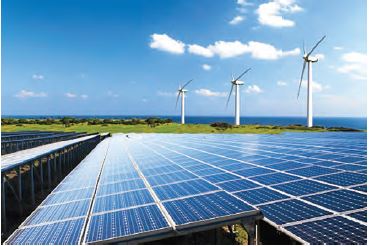
The second lead article, which is also focus article, is written by Shri N Bhadran Nair. Citing a report of the World Health Organisation, the author has advocated for tapping sustainable energy alternatives
|
|
|

|
|
|
|
|
Financing Renewables in India
|
|
|
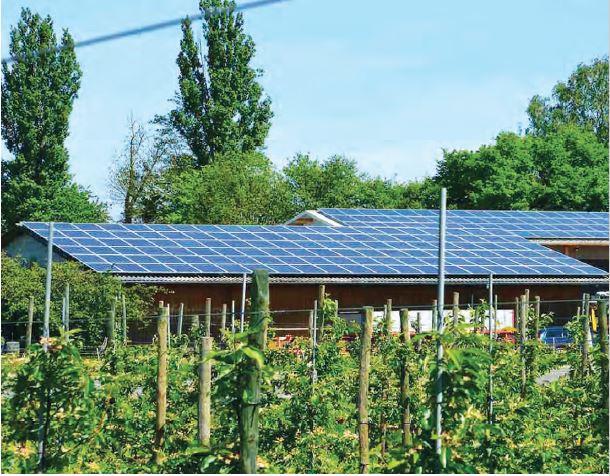
The third article is written by Shri P C Maithani, Adviser, Ministry of New and Renewable Energy. He has focussed on renewable energy resources
|
|
|
|
|
|
|
Steps to Achieve India’s Solar Potential
|
|
|
The special article is written by Sumant Sinha, Chairman and Managing Director of ReNew Power. He opines that India must also honour its global commitments on curbing greenhouse gas emissions
|
|
|
|
|
|
|
Lead Article
Textiles the word brings up images of beautiful drapes cotton, silk, chiffon, lace. Whether it is the material draped on the figurine of the lady from Mohenjadaro, the stylish drapes of Cleopatra, the ball dance gowns of the Victorian Era or the lovely dresses worn by our own queens and princesse...
read more... |
|
|
|
|
|
|
|
|
|
About the Issue
|
|

Few subjects in the policy debate have created as much convergence of interests as the topic of infrastructure development. Anybody who takes more than just a passing interest in the state of affairs of the economy will be convinced that infrastructure development is vitally necessary.
Having said that, it equally true there are fewer areas where the plans have proved so difficult to execute. It is not a simple case of weakness in the rate of execution of government plans, whether at the state or at the centre. The challenges for developing infrastructure have stymied even the best intentions of the private sector too. The challenges are on all fronts. The key challenge is of course is generating resources to finance the projects, as infrastructure plans invariably demand huge expenditure. The Prime Minister led committee on infrastructure has estimated that it would take an investment of about Rs 25,00,000 crore ($500 billion) in the next five years. To put that number in perspective, it is three fourth the size of our annual GDP. But as of now we are able to spend not more than 3 to 4 % of our GDP for investment in infrastructure. This means we have to mobilise a huge amount of resources from the financial sector.
The other issue is the subject of returns from such investment. The public would be hard pressed to pay for all the bridges, water pipelines, roads and the true cost of electricity that developers would expect them to pay. But without such an assurance it becomes difficult for even government departments to raise such investments. In this context, the government and other agencies have to demonstrate to the public the necessity of such payments and yet be ready to partially pay for some of the costs from the exchequer.
|
|
|
|
|
|
|
|
|
|
|
|
|
|
|
|
|
|
|
Regular
Column |
 J&K Window : J&K Window : |
|
|
|
Do you know? : What is Forensic Auditing |
|
Forensic auditing refers to the auditing with the main aim to employ accounting techniques and methods to gather evidence to investigate the crimes on financial front such as theft, fraud etc.
|
|
|
|
|
|
|