|
|
|
COVER
STORY |
 |
|
| |
| |
|
|
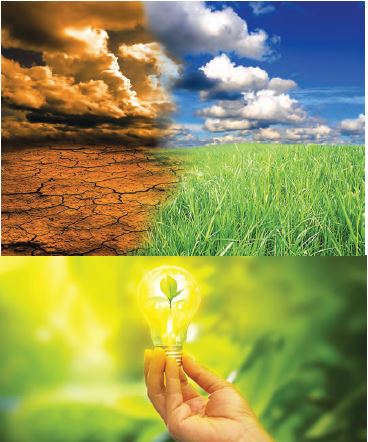
Tapping Sustainable Energy Alternatives
|
|
|
The second lead article, which is also focus article, is written by Shri N Bhadran Nair. Citing a report of the World Health Organisation, the author has advocated for tapping sustainable energy alternatives
|
|
|

|
|
|
|
|
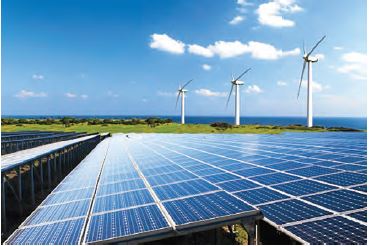
Financing Renewables in India
|
|
|
The third article is written by Shri P C Maithani, Adviser, Ministry of New and Renewable Energy. He has focussed on renewable energy resources
|
|
|
|
|
|
|
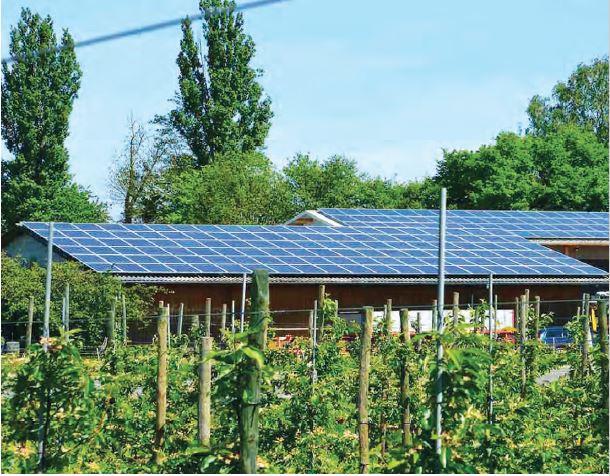
Steps to Achieve India’s Solar Potential
|
|
|
The special article is written by Sumant Sinha, Chairman and Managing Director of ReNew Power. He opines that India must also honour its global commitments on curbing greenhouse gas emissions
|
|
|
|
|
|
|
Lead Article
Textiles the word brings up images of beautiful drapes cotton, silk, chiffon, lace. Whether it is the material draped on the figurine of the lady from Mohenjadaro, the stylish drapes of Cleopatra, the ball dance gowns of the Victorian Era or the lovely dresses worn by our own queens and princesse...
read more... |
|
|
|
|
|
|
|
|
|
About the Issue
|
|
Battered, wounded and scarred, India has barely had time in the last few
decades, to rise from one disaster before being struck down by another. The
Latur earthquake in 1993, Orissa super cyclone in 1999, followed in quick
succession by the Bhuj earthquake, the tsunami, the earthquake in Kashmir, the
flooding of Mumbai city, unprecedented rains and floods in parts of Gujarat and
Maharashtra, and the massive deluge in Bihar when the Kosi river changed its course,
not to mention the recurrent floods in the North-East and the droughts in several
regions of the country. In addition, there have been man-made disasters like the Bhopal
gas tragedy and the deadly terror attacks in various places across the country.India has always been vulnerable to natural disasters like floods, droughts,
cyclones, earthquakes and landslides. Its geo-climatic conditions render about
sixty per cent of the landmass prone to earthquakes of various intensities, over
forty million hectares susceptible to floods, about eight per cent of the total area vulnerable to cyclones and
sixty-eight per cent susceptible to drought. So natural disasters are a bitter reality for us. If anything, this
reality is becoming more bitter by the day, as the nature, intensity and frequency of disasters rises, aided by
overpopulation, haphazard development, changing socio-economic conditions and climate changes among
other factors, and we become more and more vulnerable to its effects.
|
|
|
|
|
|
|
|
|
|
|
|
|
|
|
|
|
|
|
Regular
Column |
 J&K Window : J&K Window : |
|
|
|
Do you know? : What is Forensic Auditing |
|
Forensic auditing refers to the auditing with the main aim to employ accounting techniques and methods to gather evidence to investigate the crimes on financial front such as theft, fraud etc.
|
|
|
|
|
|
|